Asheville Foraging Classes: Medicinal Herbs & Wild Foods
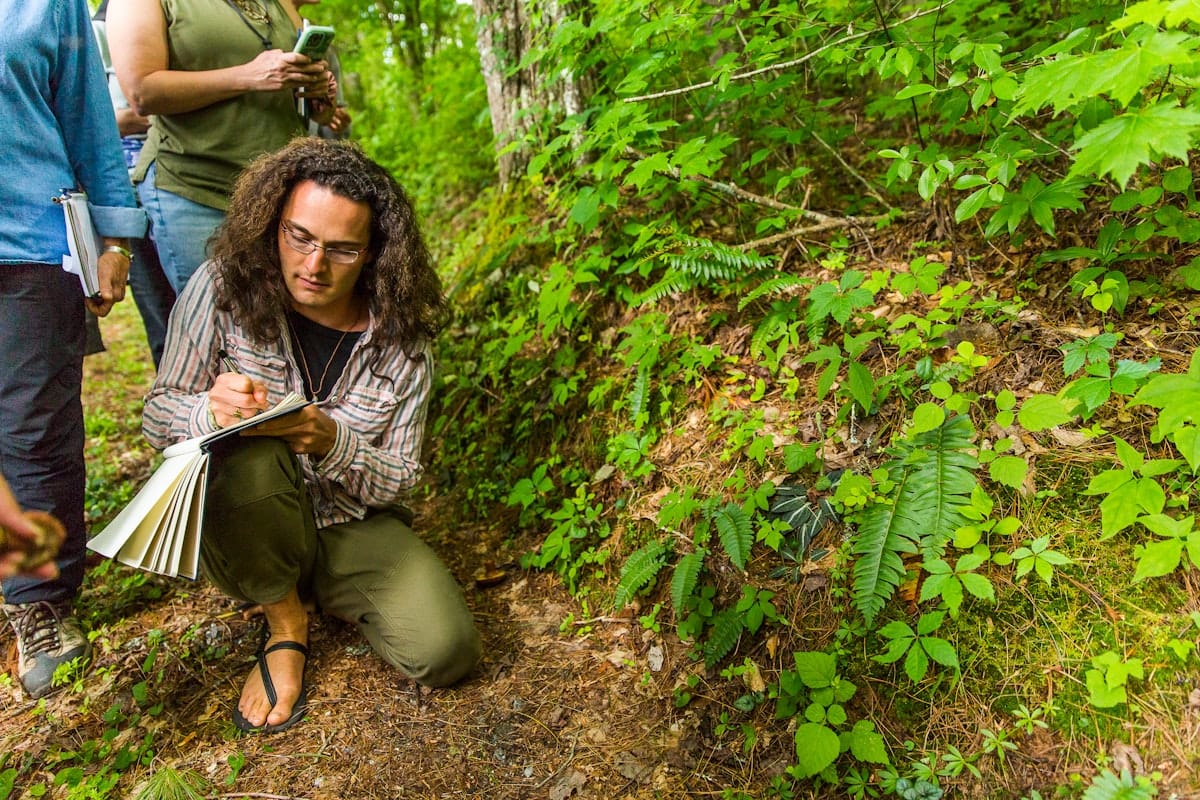
Our Asheville foraging classes, herbal medicine courses, and wilderness retreats give you the knowledge and skills to gather wild plants safely and sustainably. When you’re out on a hike, you’ll be able to gather tasty treats for your supper. Additionally, you’ll know how to harvest herbs to support vibrant health. You can unravel your dependence on grocery stores and pharmaceutical companies. Learning to forage for food and medicine will empower you to care for your own health, in deep connection with the natural world.
Foraging classes reveal the richness of the wild world. Herbal medicine classes teach you the ancient healing wisdom of the plants.
All Asheville Foraging Classes, Herbal Workshops & Wilderness Retreats
You can browse all of our foraging & wilderness preparedness courses here, or learn more details about each below.
Wildcrafted Apothecary Training
Join the waitlist and be the first to know when new classes open up for registration!
Rewilding Retreat for Women
Join the waitlist and be the first to know when new classes open up for registration!
The Nourishing Kitchen Retreat
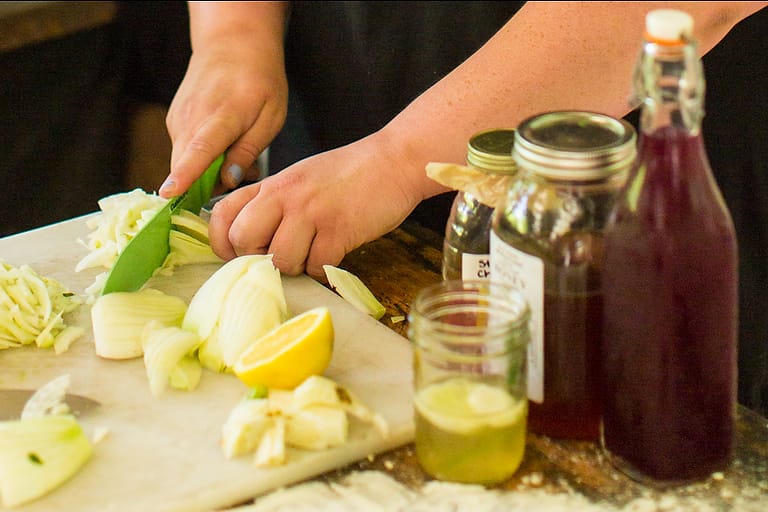
Join the waitlist and be the first to know when new classes open up for registration!
Primitive Campcraft Class
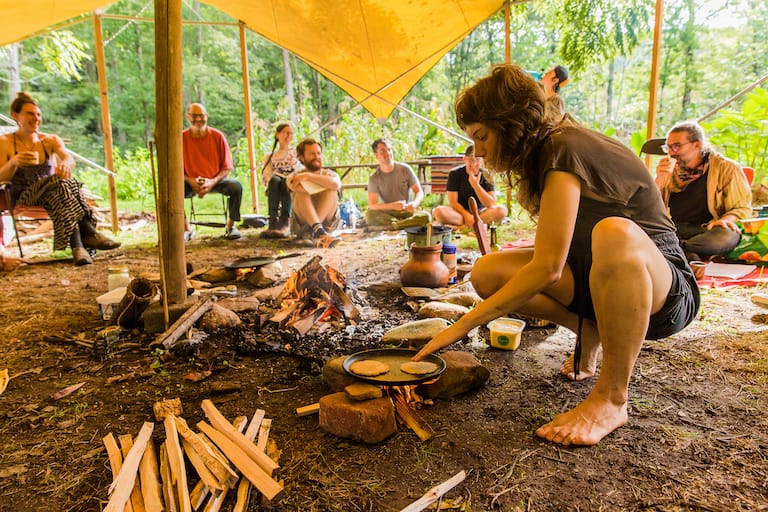
Intro to Primitive Skills Class
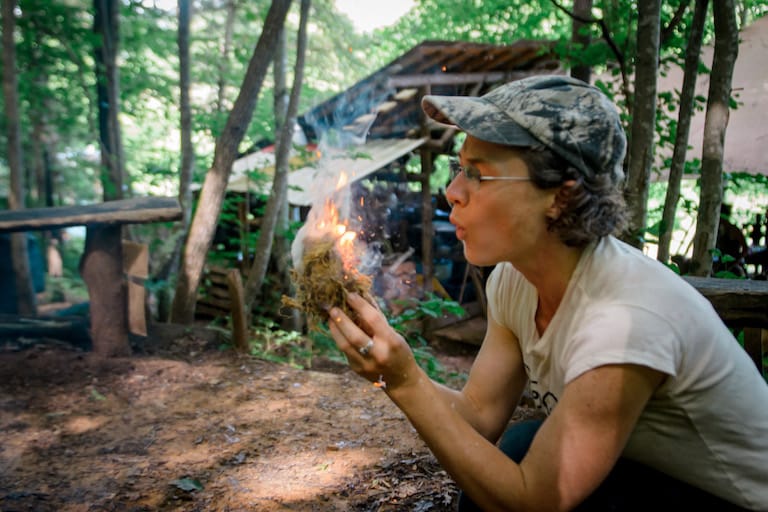
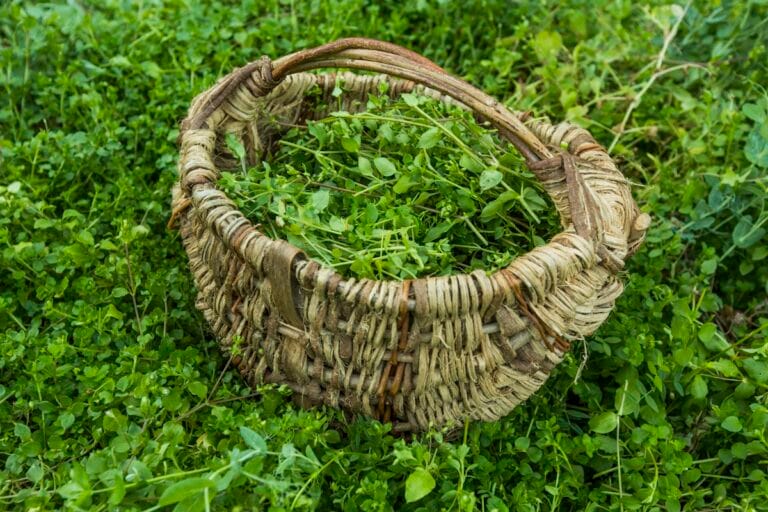
10 Spring Wild Foods That You Can Find Almost Anywhere
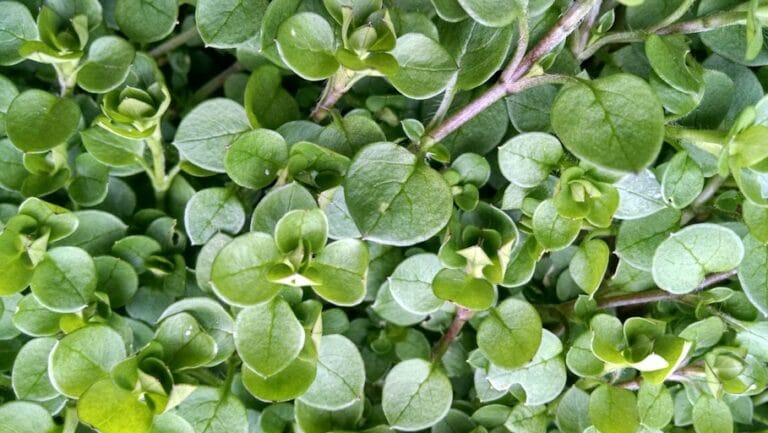
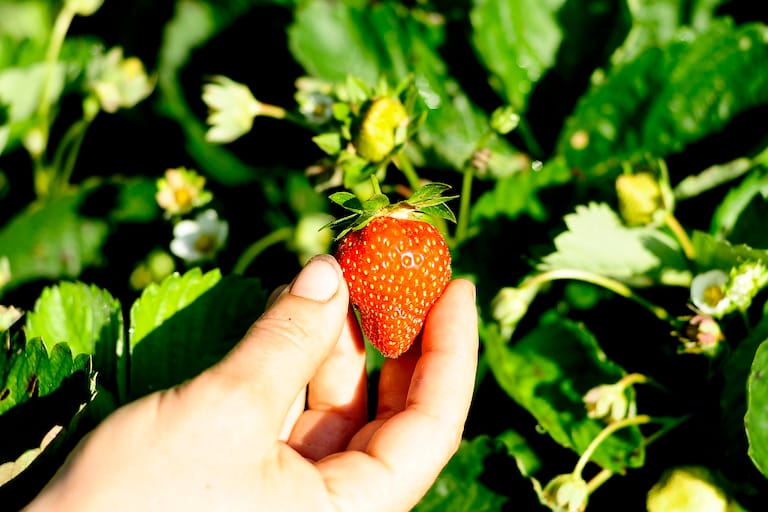
What to Harvest in April: Free April Seasonal Living Activities Guide
Seasonal Land-Based Living Handbook
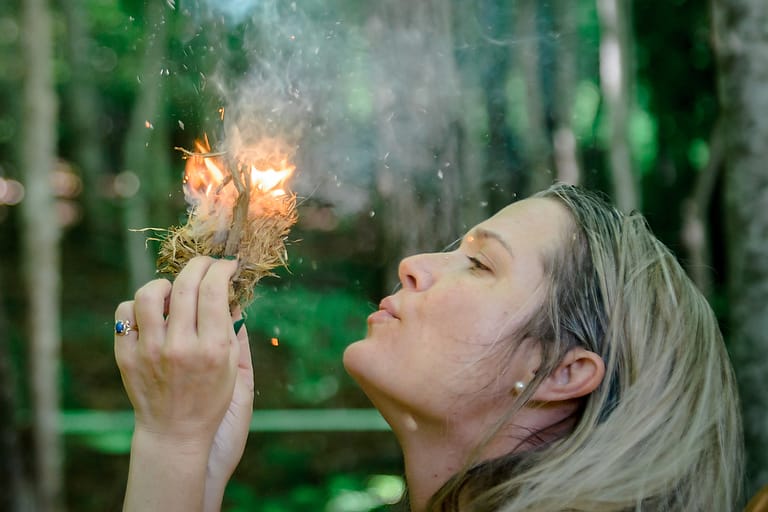
Survival Skills Class
Asheville Foraging Classes and Wilderness Retreats
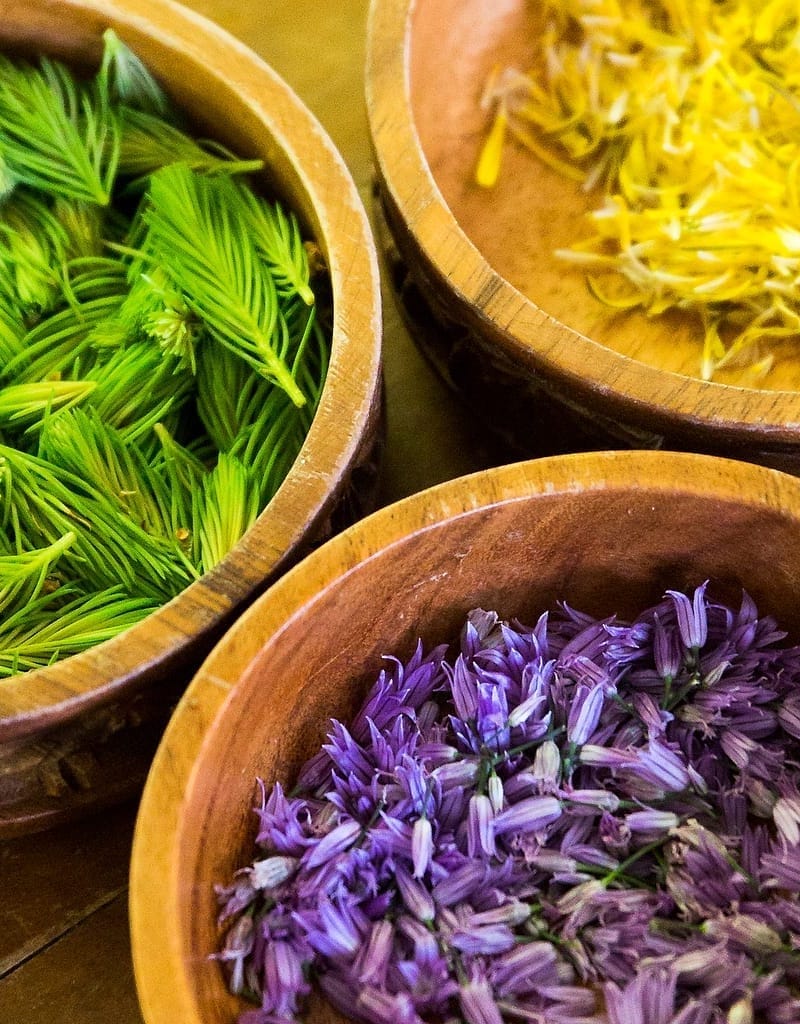
Wildcrafted Apothecary Training
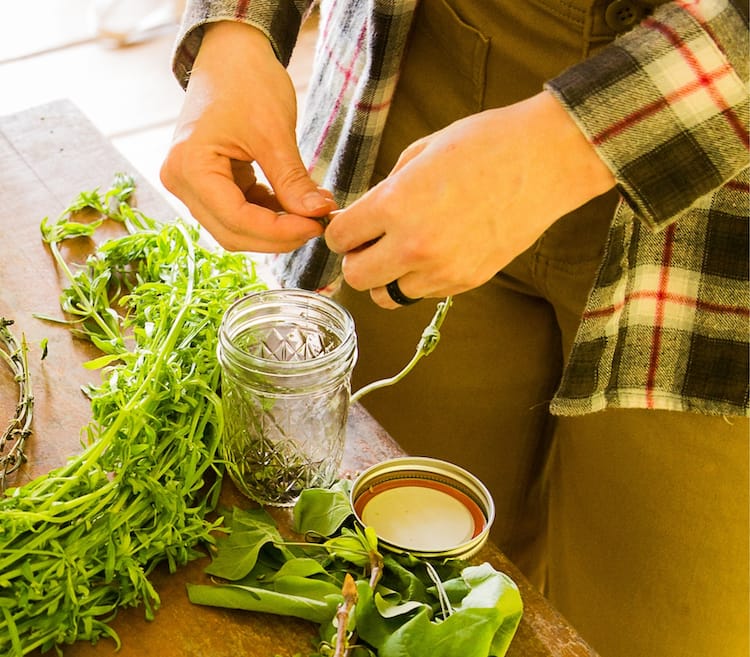
Wildcrafted Apothecary Training is the most direct Asheville foraging class on this page for students who want to learn wild plant identification, herbal medicine making, and ethical wildcrafting. This immersive herbal workshop introduces students to medicinal herbs, wild foods, plant walks, garden-grown medicines, and hands-on preparations that can be used at home. Students learn from experienced herbalists, wild food teachers, and ethnobotanists while exploring the forests, fields, and gardens near Asheville, North Carolina.
What You’ll learn:
- Wild plant identification and medicinal herb recognition
- Ethical wildcrafting and sustainable harvesting practices
- How to avoid poisonous look-alikes and forage more safely
- How to make herbal salves, tinctures, honeys, oxymels, decoctions, infusions, and other preparations
- How to incorporate wild foods into simple, nourishing meals
- How to grow and propagate medicinal herbs at home
- How to begin stocking your own home apothecary with handmade plant medicines
who this class is for:
This foraging course is for adults who want to identify, harvest, prepare, and use wild and cultivated plants with more confidence. It is a strong fit for beginners, home herbalists, gardeners, cooks, caregivers, and anyone who wants to deepen their relationship with medicinal plants in a hands-on setting. If you are searching for a foraging workshop near Asheville that focuses on both wild food and plant medicine, Wildcrafted Apothecary Training is the clearest match.
Rewilding Retreat for Women
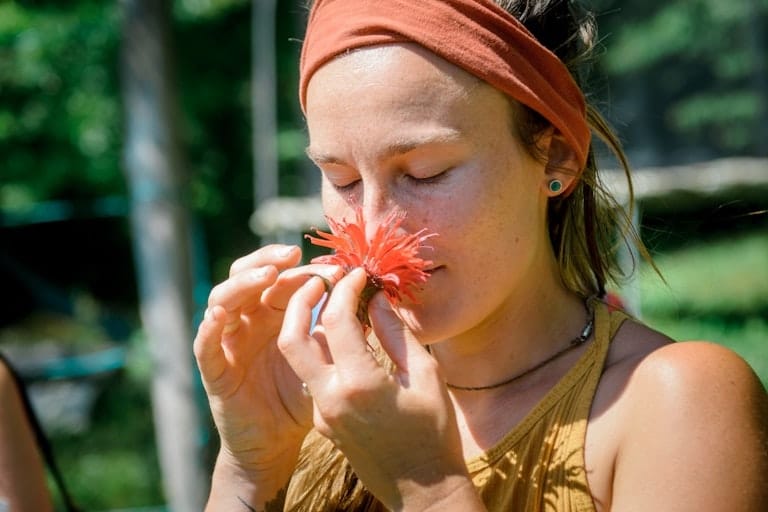
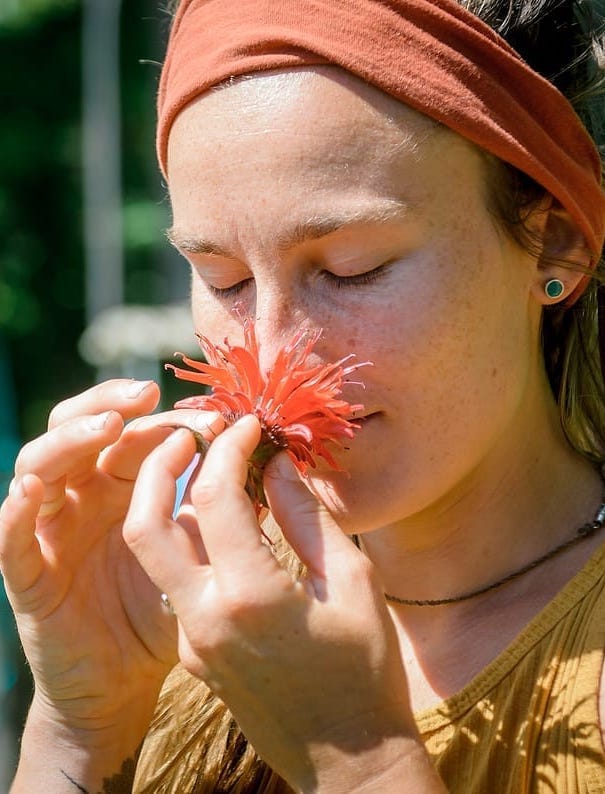
The Rewilding Retreat for Women is a four-day wilderness retreat that weaves together nature connection, traditional skills, ceremony, plant knowledge, and community. While it is broader than a standard foraging class, it may include wild foods, medicine making, basketry, friction fire, womb wisdom, hands-on crafting, and time outdoors. This retreat offers a more soulful, integrated way to reconnect with the wild world while learning earth-based skills in a supportive women-centered space.
What You’ll learn:
- Foundational rewilding practices for reconnecting with land and self
- Seasonal earthskills and traditional craft experiences
- Possible wild food, herbal medicine, and plant-based activities
- Hands-on skills such as basketry, friction fire, and natural crafting
- Embodied practices, ceremony, and group connection
- Ways to bring more grounded, earth-centered awareness into everyday life
- How practical skills and inner reconnection can support each other
who this class is for:
This retreat is for women who want more than a technical foraging course and are looking for a nourishing, land-based experience. It can be a good fit for students who feel called to reconnect with nature, learn traditional skills, spend time in community, and explore a more embodied relationship with the wild. If you are drawn to Asheville foraging, herbal wisdom, and earth-centered retreats, this class offers a spacious and meaningful way to learn.
4-Month Carpentry Training School
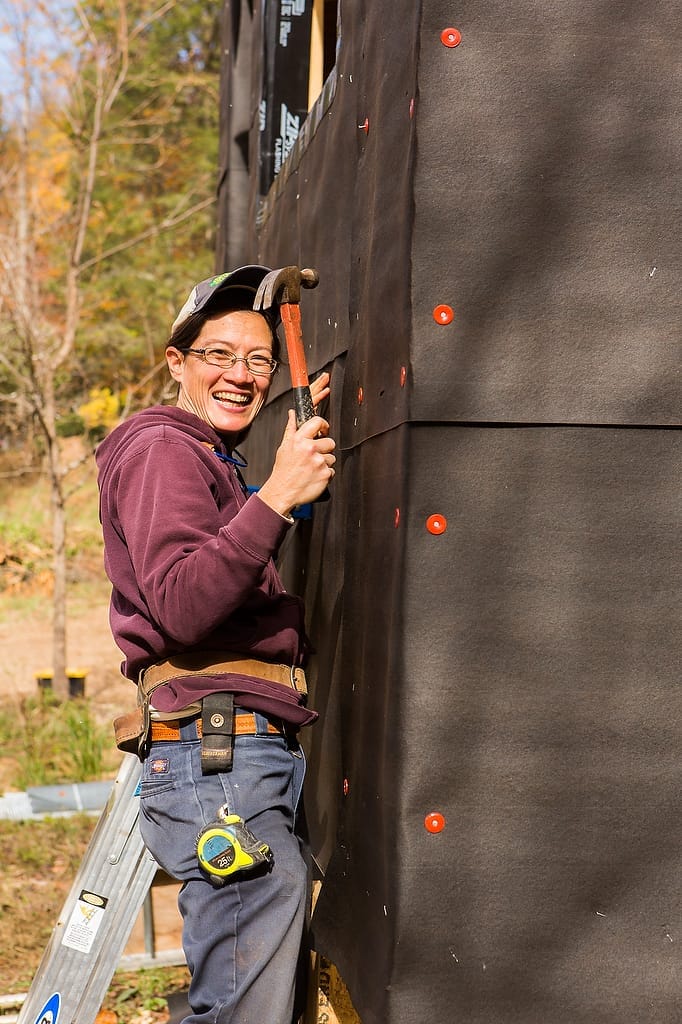
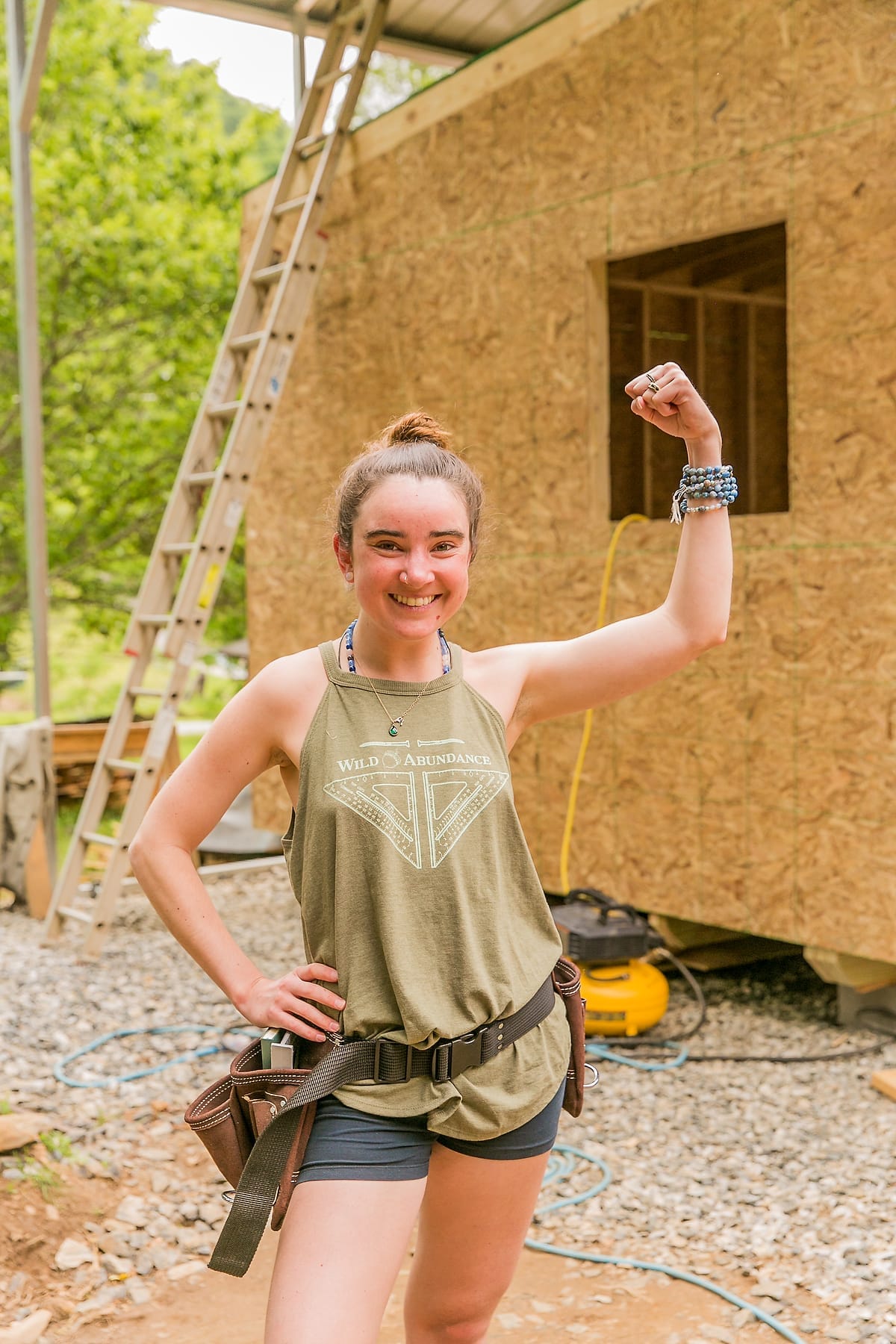
Our Carpentry Training Program is a four-month, in-person carpentry school for adults near Asheville, NC where a small crew learns to design and build real projects. For two days each week you’ll frame and finish a tiny house, work on smaller design-build projects, and learn directly from experienced mentors. The program blends hands-on training with assigned lessons from the Online Tiny House Academy so you build both clear understanding and solid muscle memory.
What You’ll learn:
- Core tool safety, use, and on-site workflow
- Framing, sheathing, roofing, siding, and trim basics
- Reading plans, making cut lists, and ordering materials
- Finishing a tiny house interior with paneling, flooring, and details
- Thinking like a builder through problem-solving and project planning
who this class is for:
This carpentry training is for beginner and intermediate adults who are ready to commit two days a week to learning by doing. It’s a great fit if you want to build your own small home, feel confident tackling renovation projects, or explore carpentry as a possible career in a supportive, all-genders environment. You’ll need enthusiasm, reliability, and the physical ability to do hands-on outdoor work with a small team.
7-Day Timber Framing Workshop
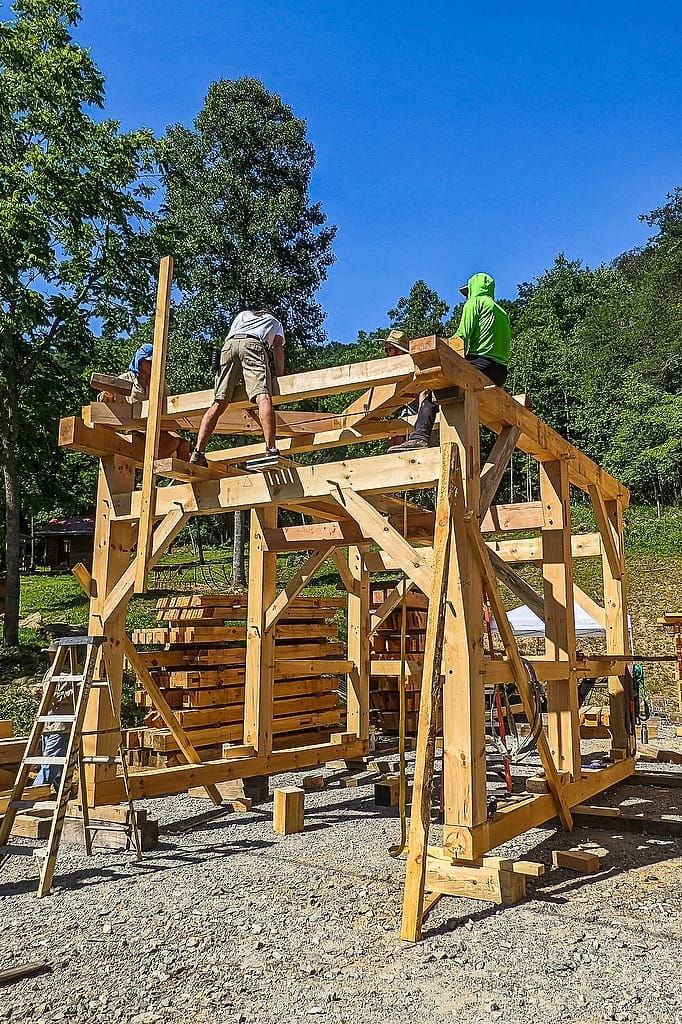
Our Timber Framing Class is a seven-day, in-person workshop near Asheville, NC where you and a crew raise a beautiful timber-framed structure from raw timbers. Through step-by-step demos and plenty of tool time, you’ll learn to lay out, cut, and assemble joinery that needs no metal fasteners. The vibe is hands-on, safety-focused, and collaborative, so you stay engaged while building real skills quickly.
What You’ll learn:
- Laying out, marking, and cutting timbers from plans
- Safely using hand tools and big power tools for timber framing
- Creating precise mortise-and-tenon joints pegged with hardwood
- Reading building plans and understanding basic timber frame design
- Working as a team to assemble and raise a complete timber frame
who this class is for:
These timber framing classes are for motivated owner-builders, aspiring professionals, and carpenters who want to add traditional joinery to their toolkits. You should be ready for a challenge that includes math, angles, and moving hefty timbers, but you don’t need prior timber framing experience. The instructors group students by skill level, so both handy beginners and seasoned builders can participate fully and safely while stretching their skills.
Nourishing Kitchen Retreat
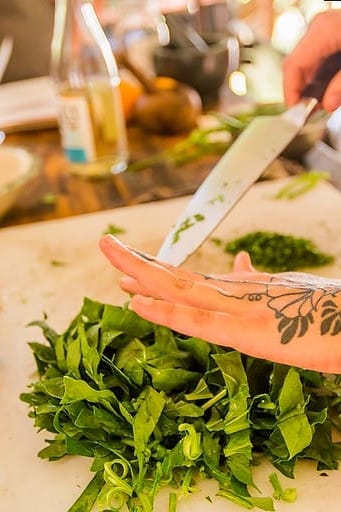
The Nourishing Kitchen Retreat is a holistic cooking retreat for women that connects food, vitality, seasonal living, traditional nourishment, and hands-on preparation. Although it is not a dedicated foraging workshop, it complements foraging in North Carolina by helping students understand how wild plants, garden-grown produce, fermented foods, preserved foods, and nourishing meals can become part of everyday life. Students cook together, learn practical kitchen skills, and explore food as a source of beauty, health, and connection.
What You’ll learn:
- Holistic cooking skills rooted in nourishment and seasonal awareness
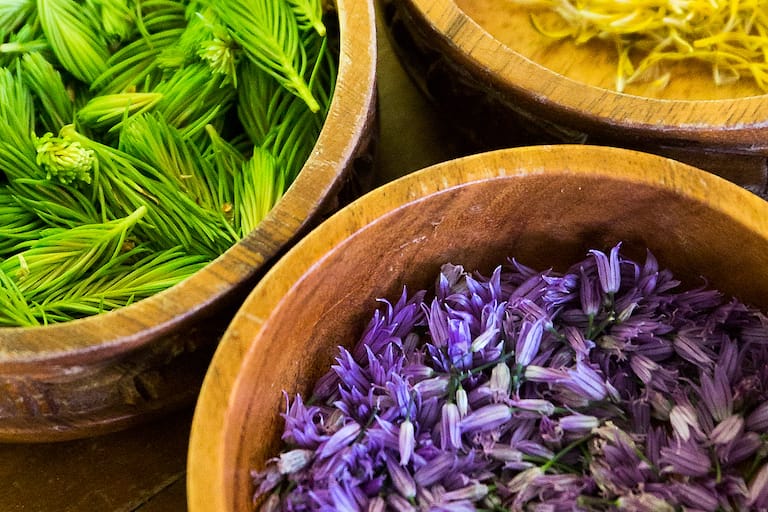
- How to work with garden-grown produce, edible flowers, herbs, and whole foods
- Fermentation, sourdough, meat canning, condiments, and traditional food preparation
- How food preparation can support women’s health, vitality, and pleasure
- Ways to bring more rhythm, beauty, and care into the kitchen
- How wild plants and cultivated foods can support a more connected food life
- How cooking, community, and land-based learning can work together
who this class is for:
This retreat is for women who want to deepen their relationship with food, nourishment, and the kitchen as a place of care. It is especially relevant for students who are interested in wild foods, herbal living, traditional cooking, fermentation, and seasonal eating, even if they are not primarily looking for a technical foraging class. If your interest in foraging is connected to how you eat, preserve, cook, and feed yourself or others, this retreat can be a meaningful companion to more plant-identification-focused courses.
What Our Foraging, Earth Skills & Rewilding Students Say
scroll right to read more
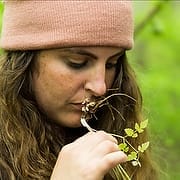
Jackie
Cornwall, NY
U.S. Army
Course Taken:
“My experience in this class completely changed the course of my life. After being overseas for a year, it really helped with my transition back home—I found myself falling back in love with nature, plants, the wild, and community as a whole.”
Caroline
New Jersey
Acupuncturist
Course Taken:
“It was an amazing weekend with so much information from really talented and generous teachers. It surpassed my expectations in so many ways: from the knowledge shared to the practical experience I can apply to my everyday life. The plant walks, the stories, the open flame cooking, and medicine making were all engaging and special, even for me—a long-time practicing herbalist and teacher myself!”
Jeanne
Crosby, TN
Nurse
Course Taken:
“This class was a full immersion, yet also very attainable and full of connection. The teachers were phenomenally knowledgeable, the other students were so genuine and friendly, and I feel closer to the plants now than ever before.”

Ali
North Carolina
Writer
Course Taken:
“My time in the Wildcrafted Apothecary Class was beyond all expectations. I left with a wealth of knowledge from different perspectives and traditions that has already deeply changed my relationship with the land where I live.”
Lexie
North Carolina
Medical Laboratory Technologist
Course Taken:
“Becky is so down to earth, warm, and welcoming. This class has transformed how I experience nature and taught me a plethora of useful information on how to utilize local, foraged plants. I am so excited to learn and experience more in future classes!”
Jayme
Washington
Course Taken:
“The Women’s Rewilding Retreat felt as close to real life magic as anything I’ve ever experienced. I could tell you in detail about the classes, nature walks, guided meditations, fire circles, inside jokes, and howling as a group and then actual coyotes answering back, but I’d never be able to give Wild Abundance and Emileigh the props they deserve. They are doing such important work.”
Lindsay
Asheville, NC
Group Facilitator & Coach
Course Taken:
“This women’s weekend retreat will change your life. It’ll change your heart. I came here feeling incredibly disconnected from myself, from my relationships, and from the earth. Coming out, I feel totally refreshed and zesty for life—I feel connected to myself, to the other women here, to the land, and to all my retreat teachers. If you’re feeling the slightest call to come, just trust yourself and say yes.”
Aileen
North Carolina
Birth Doula and Massage Therapist
Course Taken:
“I highly recommend this workshop, and all of the classes offered at Wild Abundance, to anyone with that deep ache, that unrelenting longing for something different, something old, something wild, something once lost that can be found.”
Mickey
North Carolina
Teacher & Caretaker
Course Taken:
“This was the most transformative weekend for me mentally, spiritually, and physically. Being this close with other women was a new experience for me and it was truly a gift.”

Kate
South Carolina
High School Spanish Teacher
Course Taken:
“My heart yearns for the freedom and empathy I experienced at Wild Abundance, and it is this women’s retreat that continues to fuel my quest for healing, compassion, and wonder.”

Stephanie
North Carolina
North Carolina
Course Taken:
“I would recommend the Women’s Rewilding Retreat to any woman looking for deeper connection to herself, her community, her heritage, her spirit, and the natural world.”
North Carolina Foraging and Primitive Skills Classes
Survival Skills Class
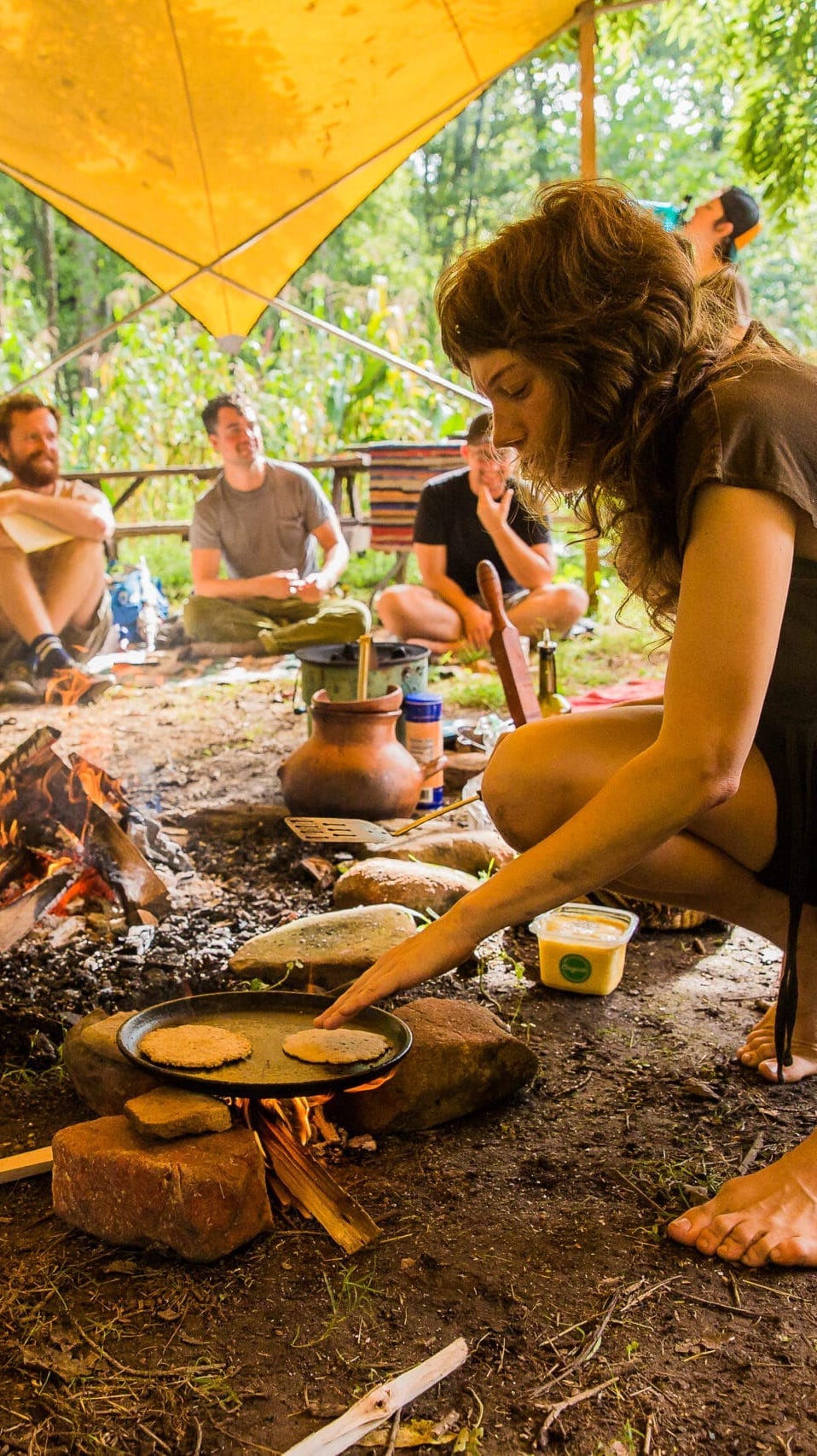
The Survival Skills Class gives students a practical introduction to meeting core needs outdoors with more confidence and presence. This class is not about proving toughness or recreating a dramatic survival scenario; it is about learning usable skills that help you stay grounded, make good decisions, and work with what the landscape offers. Through guided, hands-on practice, students explore the essentials of outdoor self-reliance while deepening their understanding of fire, water, shelter, food, tools, awareness, and care in wild places.
What You’ll learn:
- Foundational fire-making skills for heat, cooking, morale, and emergency preparedness
- How to approach water needs in outdoor settings, including locating, assessing, and treating water
- How wild plants can support food, medicine, and practical needs in a survival context
- Shelter-building concepts using tarps, natural materials, location choice, and weather awareness
- Practical uses for knives, cordage, knots, and simple handmade tools in the field
- How outdoor cooking, tracking, first aid, and observation can support wilderness readiness
- Ways to strengthen your mindset, problem-solving ability, and sense of belonging outdoors
who this class is for:
This class is a good fit for adults who want to feel more steady, capable, and prepared when spending time outside. It may be especially useful for beginners, hikers, campers, homesteaders, outdoor educators, parents, and anyone interested in practical wilderness survival skills without an intimidating or competitive atmosphere. If you want a supportive entry point into survival skills, this class offers a grounded way to build knowledge you can actually use.
Online Tiny House Academy
The Tiny House Academy is a comprehensive online tiny house building class that walks you from first sketch to finished, livable home. Through dozens of step-by-step video lessons, diagrams, and lectures, you’ll learn how houses go together, no matter their size. Lifetime, go-at-your-own-pace access and monthly office hours mean you can keep learning as you design and build your own project.
What You’ll learn:
- Step-by-step video lessons on tiny and small house building
- Design choices, foundations vs. wheels, framing & basic roof systems
- Installing windows, doors, siding, drywall, and interior trim
- Intros to electrical, plumbing, insulation, and energy-efficient options
- Zoning, regulations, budgeting & sourcing sustainable materials
who this class is for:
This online tiny house building class is for motivated beginners and self-taught builders who want clear, friendly guidance instead of piecing together random videos. It’s a great fit if you learn best by watching detailed demonstrations, pausing, rewatching, and then trying things on your own schedule with expert support when you get stuck. Whether you’re dreaming of a tiny house on wheels, a small cabin, or a not-so-tiny home, you’ll gain the confidence to plan and start your build.
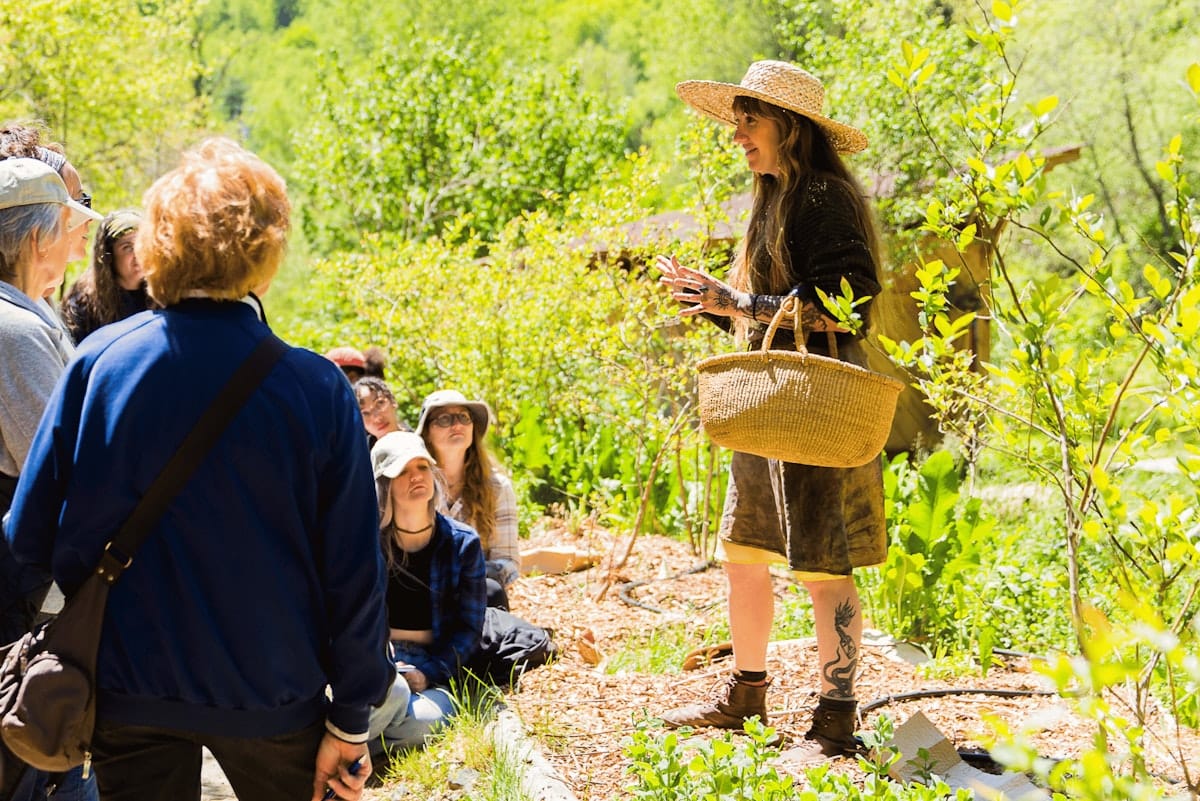
Our Asheville foraging classes will help you discover delicacies growing right outside your door!
Plants are fascinating and full of richness. That’s why we love sharing our wisdom about them while exploring wild places together in our Asheville foraging classes and wilderness retreats. As soon as springtime warms up, you’ll find us gathering and nibbling tasty plants every moment that we’re outdoors. You see, foraging for wild foods is super satisfying, not to mention delicious.
It’s taken us many years to get to know the wide array of edible plants that grow here in Southern Appalachia. We’re delighted to share that experience with you in our Asheville foraging class. As a result, you, too, can enjoy the flavors of the wild and start foraging for medicinal plants and wild foods.
Herbal medicine classes & wilderness retreats empower you to heal yourself and your community.
The healthcare system in this country is failing, but we can take our health into our own hands. Participating in an herbal medicine class or wilderness retreat gives you the power to make and use your own natural medicine.
Herbs are fantastic for both preventative health and for treating disease and imbalances. Our wildcrafting apothecary classes teach you how to make lots of common herbal preparations, so you can fill your medicine chest. They also cover cultivation and harvesting of many common medicinal herbs that are accessible to everyone.
Carrying the healing wisdom of plants has traditionally been a role held by women. As we explore rewilding for women in our weekend-long retreat and Asheville foraging class, we incorporate medicine making and herbal healing. This is an herbal medicine course that goes beyond the how and what of using herbs. It connects with the deeper aspects of the human relationship with plants.
What better place to learn about foraging for medicinal plants than the lush, temperate rainforest near Asheville, NC?
There are lots of reasons people come to visit Asheville. Our home is one of the most naturally beautiful and biodiverse regions in the temperate world. If you’re looking for foraging classes, hardly anywhere could be better. You’ll find tasty treats in the wilds here nearly year-round, including choice edible mushrooms like morels. If you’re interested in foraging for medicinal plants, this area is not only a hotbed of medicinal herbs (some rare or endemic), but also a gathering place for herbalists. Our instructors truly love plants and share their knowledge freely in a clear, inspiring, funny and engaging manner.
We look forward to exploring the green world with you in our Asheville foraging classes!
Join Our Community
Sign up below to get $50 off your first class!
You’ll also get our newsletter, which is full of how-to’s, seasonal tips, specials on classes and more! Don’t worry, we won’t share your info with anyone. We care about your privacy!
 On Facebook
 On Instagram
Other Exciting Ways to Learn About Plants With Wild Abundance
Want to learn about wholesome cooking with wild plants and garden-grown produce? Our Women’s Nourishing Food Retreat focuses on women’s health and traditional foods for vitality. Together, we’ll weave foraged foods and herbs into a number of enticing dishes, plus we’ll gather plenty of fresh fruits and veggies straight from the Wild Abundance gardens.
More interested in gardening than foraging? Join us for our Permaculture Design Course and learn how to grow all types of plants, manage the elements and create a thriving, holistic ecosystem.
Frequently Asked Questions About Asheville Foraging Classes
Foraging is the practice of searching for and gathering edible plants, fungi, and other useful wild foods from the landscape. In a foraging class, students usually learn how to identify plants, understand habitat and seasonality, recognize common look-alikes, and harvest with care. Foraging is not just about finding free food; it is also about paying closer attention to the land, the seasons, and the living communities around you. When taught well, it becomes a practice of observation, humility, nourishment, and relationship.
In Asheville foraging classes, students may explore wild greens, edible flowers, berries, roots, nuts, mushrooms, and medicinal plants depending on the season and the focus of the course. The Southern Appalachian region offers incredible biodiversity, which makes foraging in North Carolina especially rich and rewarding. At the same time, beginners need careful guidance because not every wild plant is edible or appropriate to harvest. A hands-on foraging course can help you develop safer habits, better plant recognition, and a more respectful approach to gathering from the wild.
Wildcrafting is closely related to foraging, but it is often used when talking about gathering plants for medicine rather than food. A wildcrafting or herbal foraging workshop may focus on identifying medicinal herbs, harvesting them ethically, and preparing them as teas, tinctures, salves, infused oils, oxymels, honeys, or other remedies. Like foraging, wildcrafting requires careful plant identification, attention to look-alikes, and respect for plant populations. It also asks students to consider how much they harvest, where they harvest, and how their actions affect the ecosystem.
In Wild Abundance’s herbal and foraging classes, wildcrafting is taught as both a practical skill and a relationship with place. Students learn that plants are not just ingredients; they are living beings with ecological roles, cultural histories, and seasonal rhythms. This is especially important in North Carolina, where many beloved medicinal plants grow in biodiverse but vulnerable habitats. Learning from experienced teachers helps students begin wildcrafting with more care, confidence, and responsibility.
What you learn depends on the specific foraging class, herbal workshop, or wilderness retreat you choose. In a plant-focused foraging course, you may learn plant identification, ethical harvesting, medicinal herb uses, wild foods preparation, herbal medicine making, and basic botany skills. In a primitive skills class, foraging may be taught alongside shelter, fire, campcraft, and outdoor living skills. In a nourishing retreat, wild foods and herbs may be explored through cooking, seasonal meals, and embodied connection with food.
Most Asheville foraging classes are designed to help students connect knowledge with direct experience. Instead of only reading about plants, you may walk the land, look closely at leaves and flowers, smell aromatic herbs, taste wild foods, and make preparations with your own hands. This kind of learning helps plant knowledge become more memorable and useful. Whether your goal is wild food, herbal medicine, primitive skills, or deeper nature connection, the right class can help you turn curiosity into practice.
Foraging in North Carolina can be safe for beginners when it is approached with patience, humility, and good instruction. The region is full of edible and medicinal plants, but it also includes toxic species and look-alikes that should not be guessed at. Beginners should never eat a wild plant or mushroom unless they are completely confident in the identification and understand any cautions, preparation requirements, or contraindications. That is one reason hands-on foraging classes are so valuable.
A good foraging course teaches more than plant names. It helps students learn patterns, habitats, seasons, key identification features, ethical harvesting, and when to leave a plant alone. Students also learn that safety includes personal health considerations, land access, environmental contamination, and respect for local ecosystems. With the right guidance, beginner foragers can start slowly, build a small group of well-known plants, and develop confidence over time.
Some of the classes include herbal medicine making, while others focus more on primitive skills, nourishment, or broader wilderness connection. Wildcrafted Apothecary Training is the most medicine-focused option and includes hands-on herbal preparations such as salves, tinctures, infusions, decoctions, honeys, oxymels, and more. Rewilding Retreat for Women may include medicine making depending on the flow and activities of the retreat. Primitive skills classes may include wild food and medicine walks, but they are not primarily herbal apothecary courses.
If herbal medicine is your main goal, choose a foraging workshop or herbal course that clearly emphasizes plant identification, wildcrafting, and medicine making. If your goal is broader land-based confidence, a primitive skills or wilderness retreat may be a better fit. Many students eventually enjoy combining both pathways because plant knowledge becomes more meaningful when it is connected to food, shelter, fire, community, and seasonal living. Wild Abundance’s offerings make it possible to approach these skills from several different angles.
Yes, many of these foraging classes, herbal workshops, and primitive skills courses are beginner-friendly. You do not need to arrive with a background in botany, herbalism, survival skills, or outdoor education to participate in the introductory offerings. Instructors explain concepts clearly and emphasize direct experience, safety, and respectful learning. Beginners are encouraged to ask questions and build confidence gradually rather than pretending to know more than they do.
Some courses may be more immersive or physically demanding than others, so it is important to read each class description carefully. A wilderness retreat may involve uneven ground, outdoor learning spaces, changing weather, and rustic conditions. Primitive skills classes may require hands-on practice with fire, shelter, tools, and natural materials. If you choose a class that matches your current comfort level, you can have a meaningful and confidence-building introduction to foraging in North Carolina.
Wild Abundance’s foraging classes and earthskills courses are held near Asheville, North Carolina, at the school’s rustic and land-based campuses. Depending on the class, students may gather at the Sanford Way campus or the Paint Fork campus, both of which offer access to gardens, forests, outdoor teaching spaces, and living examples of land-based skills. These settings allow students to learn from the landscape rather than staying inside a conventional classroom. For many students, the place itself becomes part of the learning experience.
Asheville is a natural fit for foraging courses because Southern Appalachia is known for its plant diversity, seasonal abundance, and strong herbal traditions. Students traveling from out of town can pair class time with the beauty of the mountains, forests, and nearby communities. Local students may discover that plants they have walked past for years are edible, medicinal, or ecologically fascinating. Whether you are local or visiting, learning to forage near Asheville can deepen your connection to North Carolina’s wild and cultivated landscapes.